
Technologies
We don't just develop learning materials – we also develop the materials and technologies behind them.
Our greatest and most visible successes to date are associated with the brand names RE-Wood®, RE-Plastic®, and MAG-Pap®.

RE-WOOD® – FROM IDEA TO INNOVATION
What if the benefits of plastic could be combined with the strengths of wood?
With this exact question, the development of RE-Wood began over fifteen years ago. Together with research partners such as the Fraunhofer Institute, a substance was created that today forms the basis for a large part of our articles.
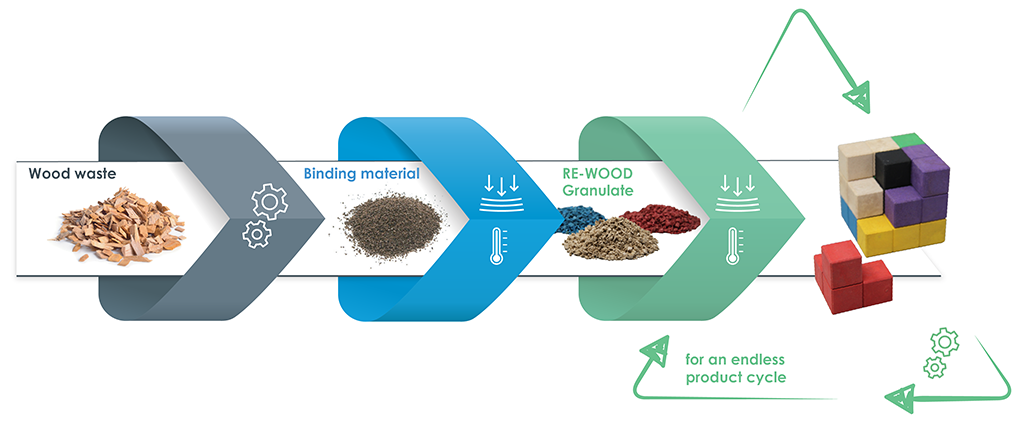
Plastic has many useful characteristics—it is lightweight, stable, durable, and easily moldable. We wanted to retain these characteristics while using a high proportion of recycled natural materials. The result is RE-Wood: a material that combines recycled wood scraps and recycled plastic into something new.
What is RE-Wood?
RE-Wood is our specially developed material for long-lasting products. It combines the advantages of modern plastics with a high proportion of recycled wood, resulting in a material that is robust, durable, and highly versatile—perfect for daily use.
What is RE-Wood made of?
RE-Wood consists largely of recycled materials.
For production we use:
- 70–80% recycled wood scraps – waste product from wood processing in Baden-Württemberg/Germany (PEFC-certified)
- 15–25% recycled plastic
- 5% color pigments and additives from German production
What characteristic does RE-Wood have?
We wanted to develop a material that meets the high expectations of our products. The resulting high-spec substance is:
STABLE
Developed for intensive use in schools, kindergartens, and lively children's playrooms.
LIGHTWEIGHT
aptically attractive and light—ideal for small children's hands.
DURABLE
Resilient in daily use and long lasting in its intended usage.
SAFE
All RE-Wood products are safety tested and certified.
EASY TO CLEAN
Many products can be cleaned in the dishwasher without any problems.
How is RE-Wood produced?
All RE-Wood products are manufactured entirely at our plant in Bensheim.
For production, we use 100% green electricity, around a quarter of which is generated from our own photovoltaic system.
Short supply chains are important to us. The wood scraps we recycled originate from Baden-Württemberg a neighboring county; many other materials and our packaging are sourced from partners in Germany or the region.
Of course, all ingredients used in RE-Wood production meet the requirements of the REACH Regulation. Production takes place under German labour regulations; our company is audited according to the SEDEX SMETA 2-Pillar standard.
What happens at the end of the product's life?
Our goal is for RE-Wood products to be used for as long as possible. Should a product no longer be needed at some point, the material can be recycled by us and returned to the circular economy.
Therefore, we are particularly pleased when obsolete RE-Wood products find their way back to us. This allows new products to be created from old ones. If you would like to return RE-Wood items, we will gladly provide you with a free return label.
Why do RE-Wood products sometimes smell unusual?
RE-Wood consists largely of recycled wood.
During manufacturing, the wood fibers are processed under heat and pressure. As a result, a slight woody smell may be noticeable immediately after production. This is completely harmless and dissipates on its own after a short time.
We deliberately avoid the use of additional artificial fragrances.

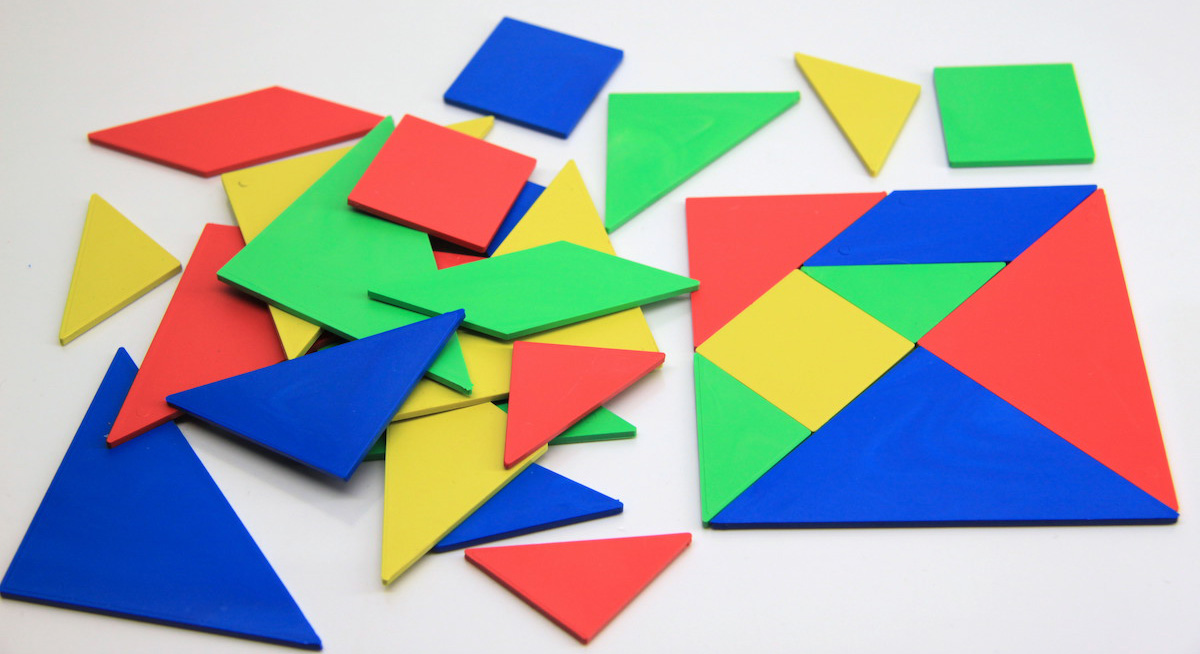
RE-PLASTIC® – PLASTIC REIMAGINED
All plastic components of our articles are produced using our recycled plastic, RE-Plastic.
What is RE-Plastic made of?
Depending on the product variant, RE-Plastic consists of:
- 100% recycled polystyrene for white and transparent items
- Approx. 97–99% recycled polystyrene for colored items plus 1-3% color pigments
- Approx. 99.5% recycled material for colored transparent items plus approx. 0.5% color pigments
The color pigments and additives used are manufactured in Germany. All materials used meet the requirements of the European Toy Safety Directive EN 71-3 as well as the REACH Regulation.
Since RE-Plastic can be recycled over and over again, the recycling cycle is maintained continuously, effectively, and responsibly. RE-Plastic combines the proven characteristics and versatility of plastic with the concept of recycling and is qualitatively equivalent to virgin plastic granules in terms of haptics, appearance and feel.
How are RE-Plastic articles produced?
All RE-Plastic products are manufactured entirely at our plant in Bensheim. The material is processed using 100% green electricity; about 25% generated in our own photovoltaic system.
Some of the recycled granules are sourced regionally. For example, the transparent recycled plastic comes from a supplier at a distance of about 25 km; all other materials are sourced from within Germany.
We also rely on short supply chains for packaging: Our cardboard packaging comes from a regional manufacturer, consists of 70–80% recycled cardboard made from German waste paper, and is fully recyclable.
Production takes place under German labour regulation; our company is audited according to the SEDEX SMETA 2-Pillar standard.
Why is RE-Plastic a meaningful choice of material?
For us, responsible management of materials means using existing resources conscientiously. We do this with RE-Plastic, because the most valuable raw material is often the one that is already there.

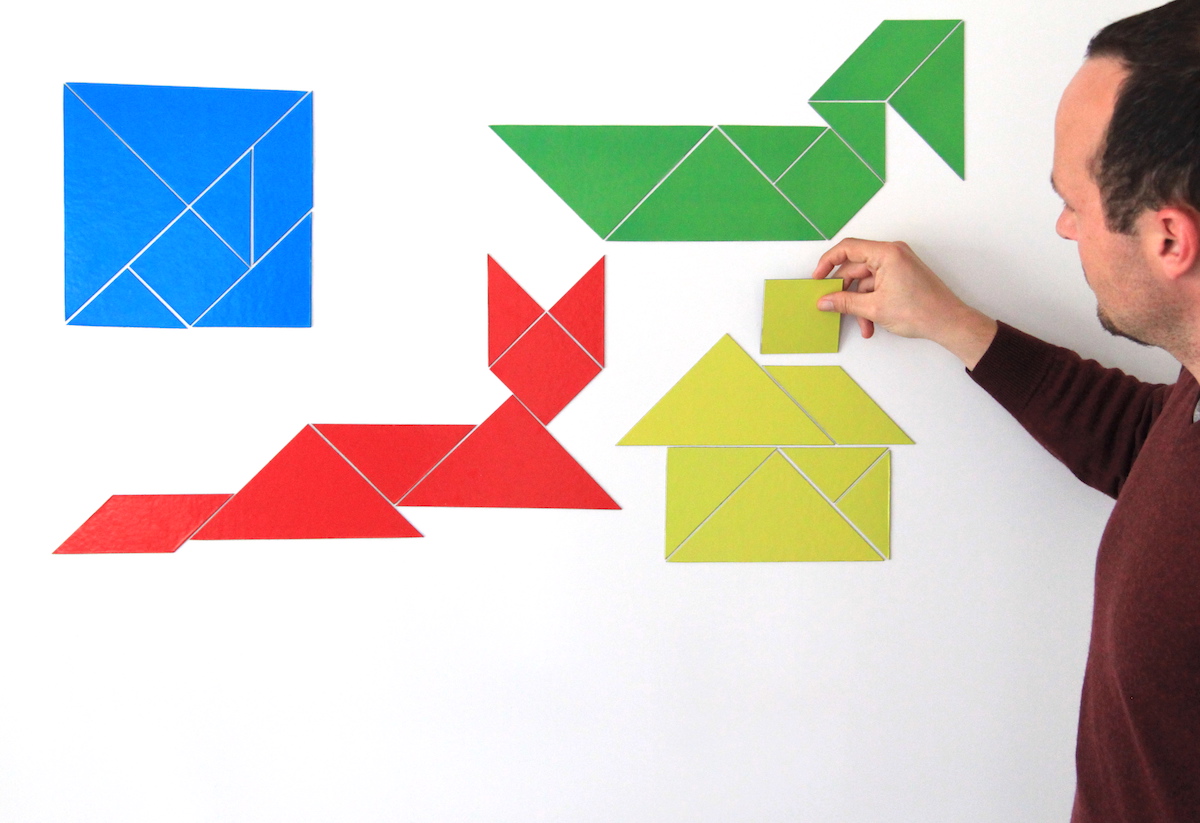
MAG-PAP
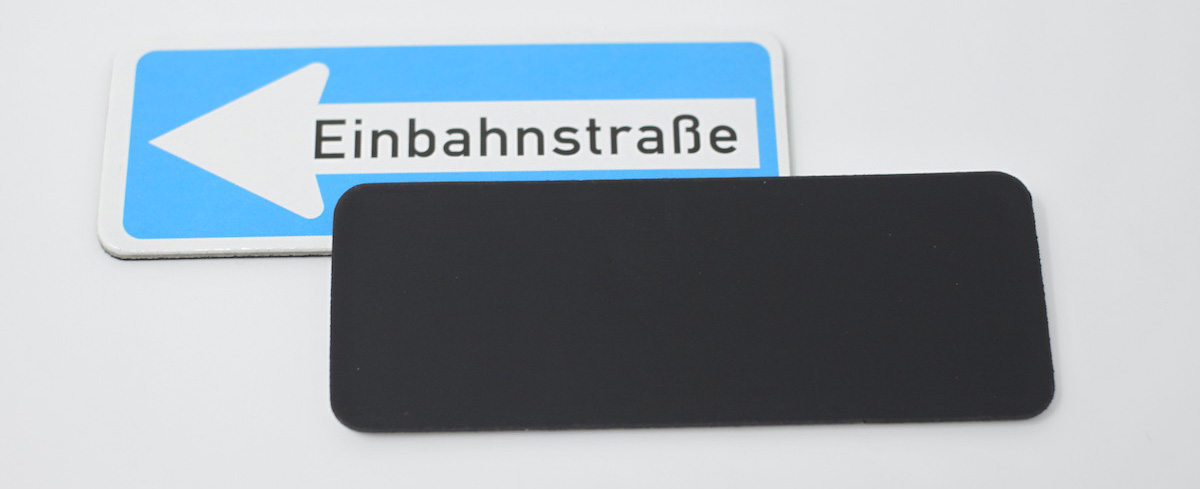
MAG-Pap® is a high-quality, magnetic 2-component material.
The top layer consists of a 1 mm thick cardboard made from 100% recycled paper material, bonded to an abrasion-resistant and water-resistant printed sheet. The underside is fully covered with a 0.5 mm thick magnetic foil.
MAG-Pap® is particularly suited for traditional chalkboards, whiteboards, smartboards and presentation boards, offering a flexible solution for daily use in educational environments.